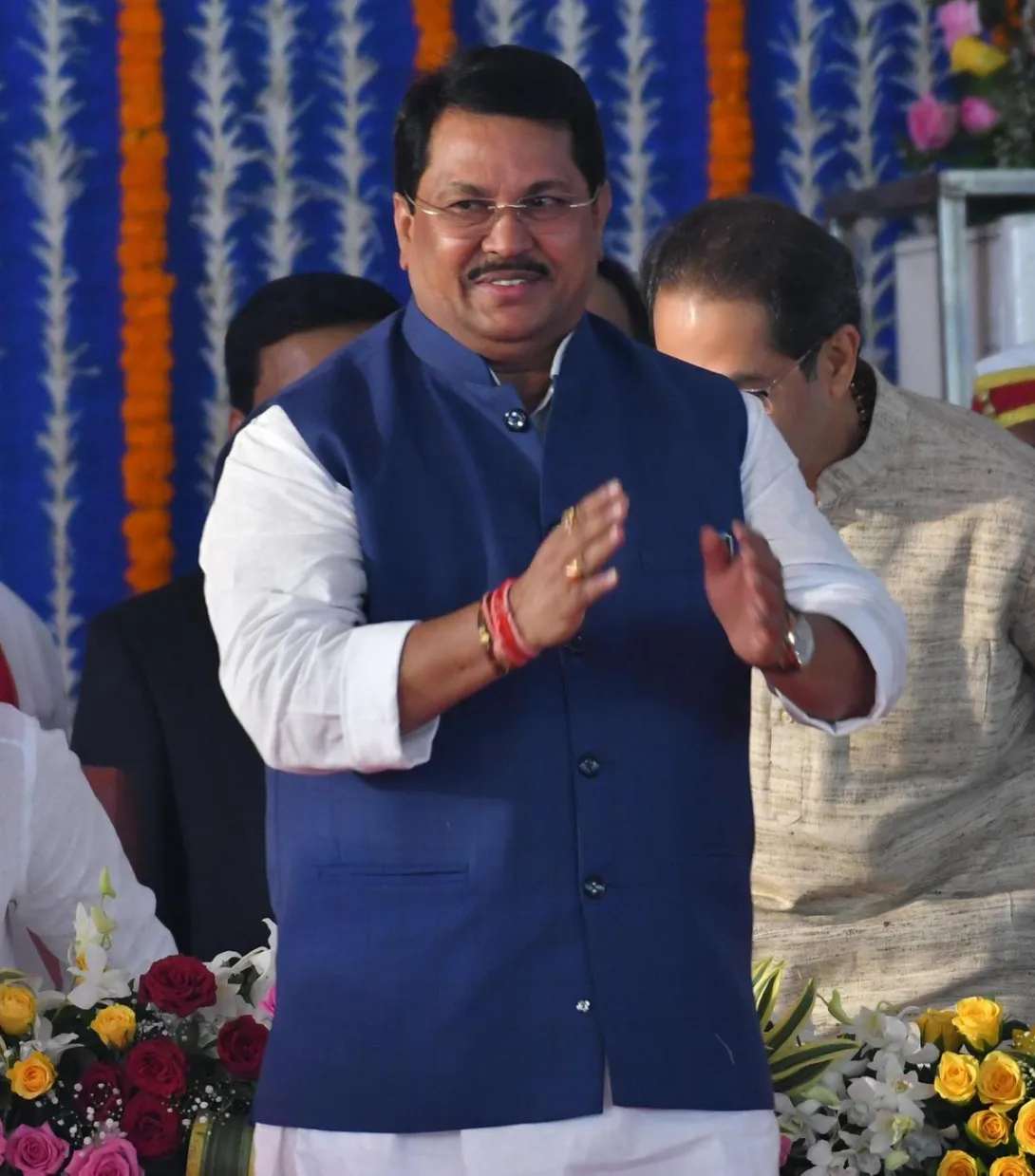
Rupali Chakankar has emerged as an increasingly prominent political figure in Maharashtra, drawing attention through her role in public policy advocacy and administrative leadership. Known for her engagement in issues concerning women’s rights, governance and social welfare, Chakankar has become a key voice within the state’s political landscape. Recent developments involving her initiatives and public statements have generated discussion among policymakers and analysts. Observers say her growing visibility reflects broader shifts in regional politics, where leaders are balancing grassroots activism with institutional governance in order to shape policy direction and public accountability.
A Rising Voice in Maharashtra’s Political Arena
Rupali Chakankar has steadily strengthened her political profile in Maharashtra through active engagement in governance and policy debates. Over recent years, she has built a reputation for addressing social issues while maintaining close interaction with community organizations and administrative bodies.
Her leadership roles have placed her at the intersection of political decision-making and grassroots advocacy, particularly in matters related to women’s welfare, legal awareness and institutional accountability.
Political observers note that such engagement has increased her influence in both party structures and state-level policymaking circles.
Focus on Women’s Rights and Social Policy
A significant portion of Chakankar’s public work has focused on advancing protections and opportunities for women across Maharashtra. Through policy initiatives and awareness campaigns, she has emphasized the need for stronger legal safeguards and better institutional support systems.
Advocacy around workplace safety, domestic violence awareness and access to legal resources has been central to her public agenda. These initiatives are often framed within the broader objective of strengthening social equity and ensuring that governance mechanisms respond effectively to vulnerable groups.
Policy analysts say such efforts reflect a wider shift in Indian politics, where leaders increasingly emphasize social welfare as a key component of governance.
Political Context in Maharashtra
Maharashtra remains one of India’s most politically influential states, with complex alliances, evolving party dynamics and significant economic influence. Leaders operating within this environment must navigate both political competition and administrative responsibilities.
Within this context, Chakankar’s visibility has grown as she participates in discussions on governance priorities and institutional reform. Analysts suggest that leaders who combine social advocacy with administrative engagement often gain stronger public recognition.
Her role illustrates how regional politicians are increasingly positioning themselves as policy influencers rather than solely electoral figures.
Public Engagement and Governance Challenges
Chakankar’s approach has included direct public interaction through outreach programs, public forums and social campaigns. Such initiatives are intended to strengthen communication between government institutions and citizens.
However, the challenges facing policymakers in Maharashtra remain substantial. Rapid urbanization, economic inequality and social tensions continue to shape the state’s governance priorities.
Experts say political leaders who actively engage with community concerns may be better positioned to address these issues while maintaining public trust.
Broader Implications for State Politics
The growing prominence of Rupali Chakankar reflects broader changes in Maharashtra’s political landscape. As voters increasingly expect transparency and responsiveness, public figures are under pressure to demonstrate both policy expertise and community engagement.
For political analysts, Chakankar’s trajectory offers insight into how modern regional leaders balance activism, governance and institutional authority.
As Maharashtra continues to play a crucial role in India’s economic and political development, leaders who effectively combine social advocacy with administrative leadership may shape the state’s policy direction for years to come.
Comments