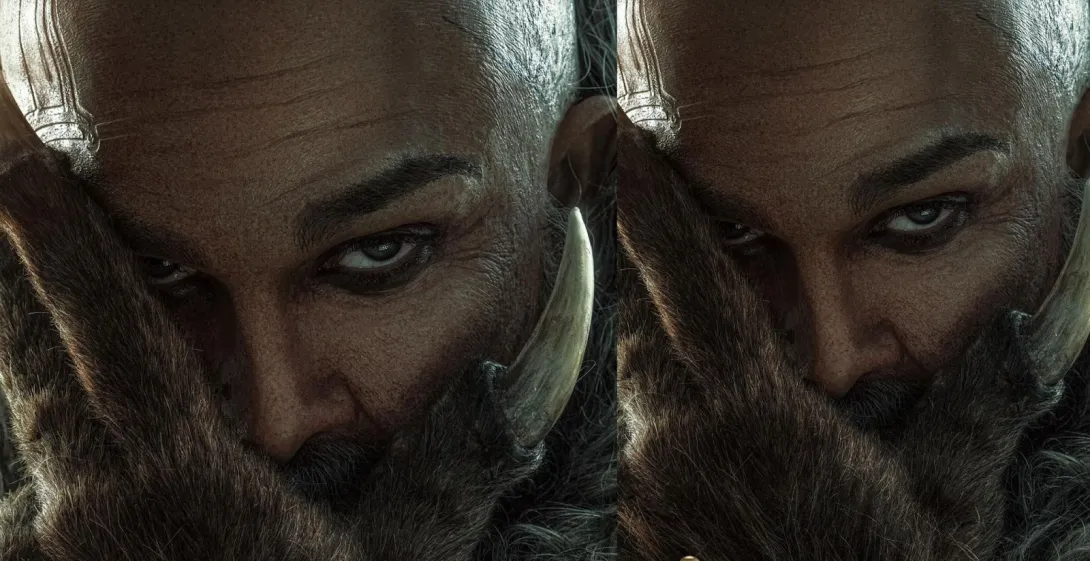
The Indian film industry is set for a major commercial event as Allu Arjun collaborates with director Atlee for their upcoming film Raaka. Positioned as a pan-India spectacle, the project is expected to combine star power, масштаб production, and mass-market appeal. The announcement has already generated significant buzz across trade circles, with expectations of strong box office performance and lucrative pre-release business. As large-scale collaborations increasingly define the economics of Indian cinema, Raaka reflects a strategic alignment of talent and capital aimed at maximizing both audience reach and financial returns.
A Strategic Collaboration in Indian Cinema
The pairing of Allu Arjun and Atlee represents a calculated move within India’s evolving film industry. Both figures command significant influence—Allu Arjun through his nationwide appeal following recent blockbuster successes, and Atlee through his track record of delivering commercially successful, high-budget films.
This collaboration signals a convergence of creative vision and commercial ambition, with Raaka positioned to appeal to diverse audiences across linguistic and regional markets.
The Rise of Pan-India Blockbusters
Raaka exemplifies the growing trend of pan-India filmmaking, where projects are designed for simultaneous release across multiple languages. This model has gained momentum in recent years, driven by the success of large-scale productions that transcend regional boundaries.
For producers and distributors, such films offer expanded revenue streams, including theatrical collections, satellite rights, and digital streaming deals. The scale of investment is matched by the potential for multi-market returns.
Financial Dynamics and Pre-Release Business
Films of this magnitude typically generate substantial pre-release revenue through distribution rights, music deals, and brand partnerships. With Allu Arjun attached, Raaka is likely to command premium valuations across key markets.
Industry analysts anticipate that the film could secure high-value agreements even before its theatrical debut, reflecting confidence in its commercial viability. This pre-release monetization reduces financial risk while enhancing profitability potential.
Brand Equity and Market Positioning
Both Allu Arjun and Atlee bring strong brand equity to the project. Allu Arjun’s appeal spans multiple demographics, while Atlee’s directorial style is associated with mass entertainment and high production values.
The combination creates a powerful marketing proposition, attracting sponsors, advertisers, and global distribution partners. In an increasingly competitive entertainment landscape, such collaborations are essential for sustaining audience interest and maximizing reach.
Industry Implications and Competitive Landscape
The announcement of Raaka underscores a broader shift in Indian cinema toward consolidation and scale. As budgets increase and competition intensifies, filmmakers are prioritizing collaborations that combine proven talent with expansive storytelling.
This trend is reshaping the industry’s financial architecture, with fewer but larger projects dominating market share. The success of Raaka could further reinforce this model, influencing future investment decisions.
Outlook: High Expectations, High Stakes
As production moves forward, Raaka will be closely watched by industry stakeholders, including distributors, exhibitors, and investors. Its performance will serve as a barometer for the continued viability of big-budget, pan-India films.
For Allu Arjun and Atlee, the project represents not just a creative endeavor but a significant business opportunity—one that could redefine benchmarks for scale, profitability, and global reach in Indian cinema.
Comments