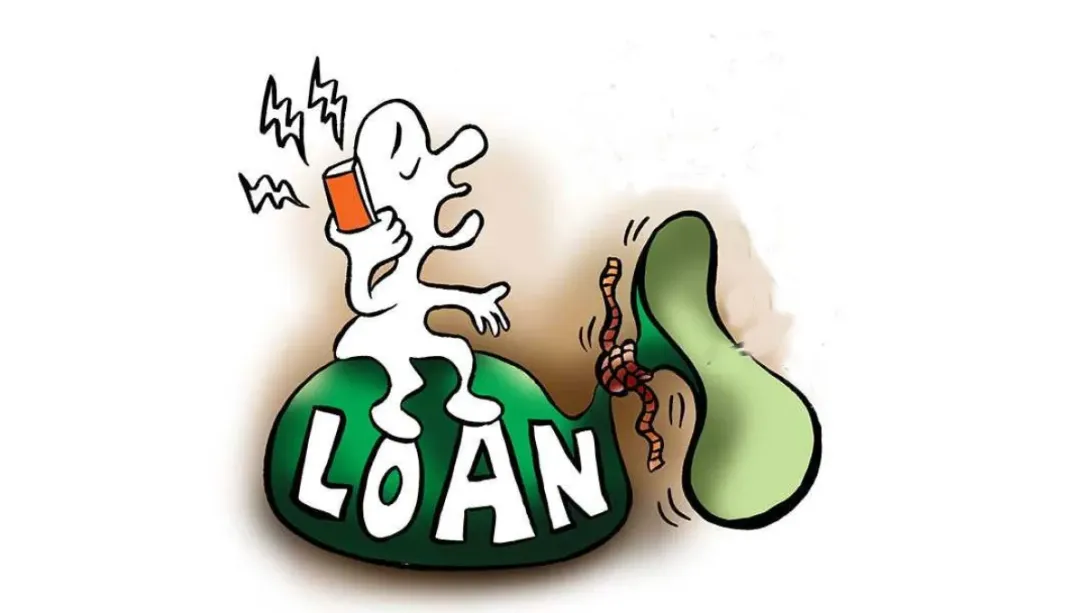
India’s banking sector has written off loans totaling approximately Rs 9.75 lakh crore over the past 11 financial years, reflecting the ongoing challenge of managing non-performing assets (NPAs) within the financial system. The write-offs peaked in the financial year 2019–20 at Rs 1.59 lakh crore before gradually declining in subsequent years. Despite these accounting adjustments, banks continue to pursue recovery from borrowers through legal and regulatory mechanisms. Government officials emphasize that loan write-offs do not imply waiver of borrower liabilities. Instead, they serve as a balance-sheet management tool that allows banks to clean up their books while maintaining efforts to recover outstanding dues.
Banks Write Off Rs 9.75 Lakh Crore in a Decade
India’s banking sector has written off loans worth approximately Rs 9.75 lakh crore over the past 11 financial years, highlighting the scale of bad loans accumulated during the previous decade. The figures were disclosed in Parliament by the Minister of State for Finance in response to a question regarding banking sector performance and loan recovery trends.
Loan write-offs are a common accounting practice used by banks to remove long-standing non-performing assets from their balance sheets. By writing off these loans, financial institutions can present a clearer financial position while continuing to pursue recovery through various legal channels.
The disclosure provides insight into the structural challenges faced by banks in managing credit risk and maintaining asset quality within India’s expanding financial system.
Peak in Write-Offs During FY20
The highest level of loan write-offs occurred in the financial year 2019–20, when banks removed approximately Rs 1.59 lakh crore worth of bad loans from their balance sheets.
Prior to that peak, the value of write-offs had steadily increased over several years. Banks wrote off around Rs 31,723 crore in FY15 and Rs 40,416 crore in FY16. The amount rose further to Rs 68,308 crore in FY17 and Rs 99,132 crore in FY18 as financial institutions intensified efforts to address mounting non-performing assets.
The significant rise in write-offs during this period coincided with regulatory initiatives aimed at cleaning up bank balance sheets and strengthening transparency in financial reporting.
Decline in Write-Offs in Recent Years
Following the peak in FY20, the volume of loan write-offs has shown a gradual decline. By the financial year 2024–25, the amount written off by banks had fallen to approximately Rs 47,568 crore.
This downward trend suggests that the banking sector has made progress in managing non-performing assets through stricter credit appraisal processes, improved risk management frameworks, and regulatory reforms implemented over the past decade.
The decline may also reflect stronger recovery mechanisms and improved asset quality across many financial institutions.
Understanding the Purpose of Loan Write-Offs
Loan write-offs are often misunderstood by the public as loan waivers or debt forgiveness. However, financial experts emphasize that these are primarily accounting adjustments rather than the cancellation of borrower obligations.
When a bank writes off a loan, the amount is removed from its active balance sheet to reflect the reduced likelihood of immediate recovery. However, the borrower remains legally responsible for repaying the debt. Banks continue to pursue recovery through various channels, including legal proceedings, asset reconstruction mechanisms, and insolvency processes.
This approach allows banks to maintain financial transparency while continuing efforts to reclaim outstanding funds.
Regulatory Reforms and Asset Quality Improvements
Over the past decade, India’s financial regulators have introduced several reforms aimed at strengthening the banking sector and addressing the issue of non-performing assets.
Measures such as stricter asset recognition norms, enhanced monitoring of stressed assets, and improved insolvency resolution frameworks have contributed to better credit discipline across the system. These reforms have encouraged banks to proactively identify and resolve problematic loans rather than allowing them to accumulate over time.
As a result, many financial institutions have reported improved asset quality and stronger capital positions in recent years.
Broader Implications for the Banking Sector
The large volume of loan write-offs over the past decade reflects the structural challenges faced by banks in managing credit risk, particularly during periods of economic stress. High levels of non-performing assets can constrain lending capacity and impact the financial health of banking institutions.
However, the gradual decline in write-offs in recent years suggests that the sector is moving toward greater stability. Improved regulatory oversight, enhanced risk management practices, and more effective recovery mechanisms have strengthened the resilience of India’s banking system.
For investors and policymakers, maintaining robust credit discipline remains essential to ensuring sustainable financial sector growth.
Conclusion
The writing off of Rs 9.75 lakh crore in loans over the past 11 years highlights the scale of India’s banking sector cleanup effort. While these write-offs represent significant accounting adjustments, they do not eliminate borrower liabilities, and banks continue to pursue recovery through legal and regulatory mechanisms.
With write-off levels declining in recent years and asset quality showing signs of improvement, the banking sector appears to be entering a more stable phase. Continued reforms and prudent lending practices will be crucial in ensuring that the financial system remains resilient and capable of supporting India’s long-term economic growth.
Comments