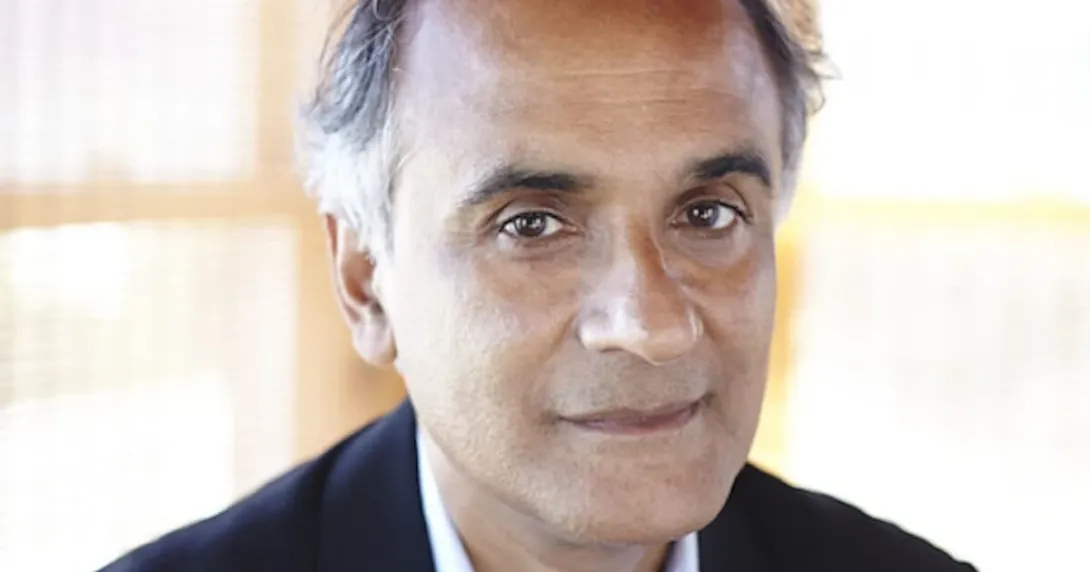
Japan’s cautious approach toward casino gambling reflects a complex interplay between cultural values and economic strategy. While the government moves forward with integrated resort development, including projects in Osaka, public enthusiasm remains subdued. Noted author Pico Iyer highlights that gambling has never been central to Japanese culture, despite the popularity of activities such as horse racing and pachinko.
As policymakers prepare to open bidding for additional casino licences, the country faces a critical balancing act—leveraging potential tourism and investment gains while navigating deep-rooted societal attitudes and concerns surrounding gambling’s broader social impact.
Cultural Context Shapes Gambling Perception
Japan’s relationship with gambling has long been shaped by cultural restraint and social nuance. According to Pico Iyer, who has lived in the Kansai region for nearly four decades, there is little widespread enthusiasm for casino-style gambling among the general population.
While games such as mahjong are commonly played, they are typically viewed as social or recreational activities rather than high-stakes gambling pursuits. This cultural distinction has influenced public sentiment, making large-scale casino development a sensitive and often debated issue.
Integrated Resorts and Policy Direction
Despite cultural hesitation, Japan has taken measured steps toward legalizing casino operations through integrated resort developments. The project underway in Osaka represents a landmark shift in the country’s tourism and investment strategy.
Authorities are expected to open bidding for two additional casino licences, signaling a broader commitment to developing a regulated gaming industry. These integrated resorts are designed to combine casinos with hotels, retail, and entertainment facilities, positioning them as comprehensive tourism hubs rather than standalone gambling venues.
Established Gambling Alternatives in Japan
Although traditional casinos are a relatively new concept in Japan, other forms of regulated betting are already deeply embedded in the economy.
Horse racing remains one of the most prominent sectors, with annual wagers estimated at approximately Rs. 1.8 lakh crore (converted from global figures), representing a significant share of global betting activity. This highlights a paradox within Japanese society—while casinos face resistance, certain forms of betting enjoy widespread participation.
Additionally, pachinko and pachislot gaming continue to attract millions of players. These machines, often located in large parlours, blend elements of skill and chance. Players typically exchange winnings for prizes, which can later be converted into cash through separate channels.
Declining Visibility of Pachinko Culture
Despite its popularity, pachinko has experienced a gradual decline in visibility over the years. Pico Iyer notes that the once-ubiquitous presence of pachinko parlours has diminished compared to previous decades.
Historically, the sound of pachinko machines was a constant feature of urban life, particularly in shopping districts. Today, however, the industry appears less prominent, reflecting shifting consumer preferences and evolving entertainment habits.
Moreover, pachinko is sometimes perceived as existing on the fringes of mainstream society, with lingering associations that affect its broader acceptance.
Economic Potential Versus Social Concerns
Japan’s push toward casino development is driven largely by economic considerations. Integrated resorts are expected to attract international tourists, stimulate local economies, and generate significant tax revenue.
However, policymakers must navigate persistent concerns about gambling addiction, social inequality, and cultural disruption. The cautious pace of reform reflects an effort to balance these competing priorities.
The limited number of licences and strict regulatory framework indicate that authorities are pursuing a controlled expansion rather than rapid liberalization.
The Road Ahead for Japan’s Casino Industry
As Japan prepares to expand its casino sector, the success of integrated resorts will depend on their ability to align with both economic goals and societal expectations. Public acceptance, regulatory oversight, and responsible gaming measures will play critical roles in shaping the industry’s trajectory.
The experience of Osaka will likely serve as a benchmark for future developments. If successful, it could pave the way for broader adoption; if not, it may reinforce existing skepticism.
Ultimately, Japan’s casino journey underscores a broader global theme—how nations reconcile economic opportunity with cultural identity in an increasingly competitive tourism landscape.
Comments